Sciatica Treatment In Des Moines
Get Relief From Sciatic Nerve Pain
Sciatica isn't a condition on its own, it's a symptom of something pressing on or irritating the sciatic nerve, the longest nerve in the body. That's why it can feel so different from ordinary back pain: sharp, burning, or shooting sensations that travel from the lower back through the hip and down one leg, sometimes reaching all the way to the foot.
At ADIO Chiropractic Clinic, Dr. Jeffery Stickel and Dr. Luis Amador-Gaxiola focus on identifying exactly what's compressing the nerve, not just easing the pain it's causing. Pinpointing the actual source is what makes lasting relief possible, rather than just temporary numbness.
Ready to find relief? Request an appointment today.
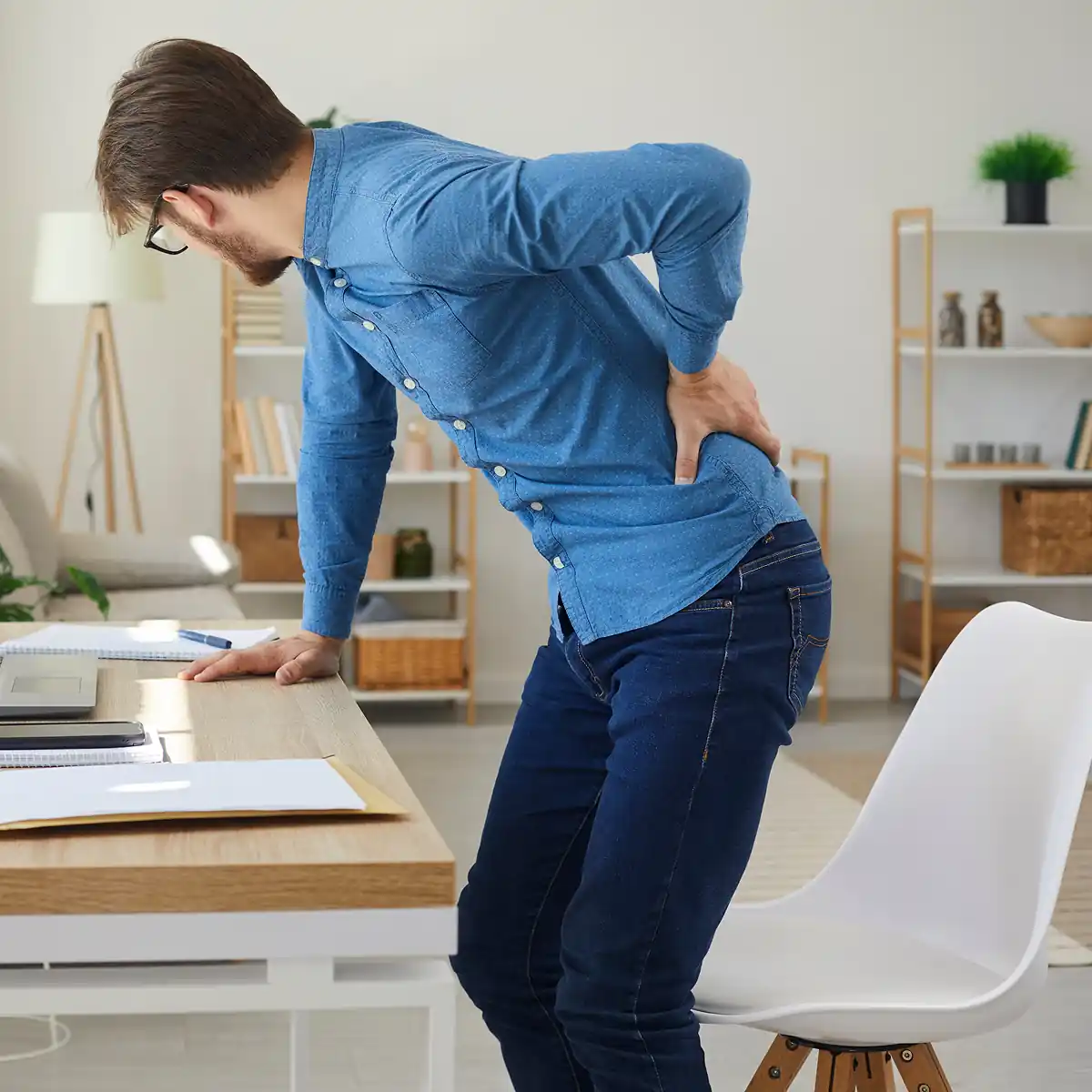
Understanding Sciatic Nerve Pain
What's Actually Happening When You Have Sciatica
The sciatic nerve runs from the lower back, through the hip and buttock, and down the back of each leg. When something along that path compresses or irritates the nerve, it can send pain, numbness, tingling, or weakness anywhere along its route, which is why sciatica often feels confusing or hard to pin down.
What Distinguishes Sciatica From General Back Pain
Not all lower back pain is sciatica, and telling the difference matters for treatment. Sciatica typically involves:
- Pain that radiates below the knee, not just discomfort that stays in the lower back
- A burning, shooting, or electric quality, rather than a dull ache
- Numbness or tingling that follows a specific path down the leg
- Symptoms that worsen with sitting, coughing, or sneezing, since these increase pressure on the nerve
If your pain stays localized to your lower back without radiating, it's more likely a general back issue than true sciatica.
What Commonly Causes Sciatica
Several underlying issues can put pressure on the sciatic nerve, including:
- A herniated or bulging disc pressing directly on the nerve root
- Spinal stenosis, a narrowing of the spinal canal that reduces space around the nerve
- Piriformis syndrome, where a muscle deep in the buttock tightens and irritates the nerve
- Degenerative changes in the spine that develop over time
Identifying which of these is actually happening in your spine is the difference between a treatment plan that works and one that only masks the pain temporarily.
Sciatica Treatment Options At ADIO Chiropractic Clinic
Because sciatica has several possible underlying causes, treatment is built around your specific diagnosis. We frequently use:
- Decompression Therapy to relieve pressure on the disc and nerve root
- Chiropractic Adjustments to restore proper spinal movement and reduce nerve irritation
- Chiropractic Rehabilitation & Corrective Care to pinpoint the exact source of compression using digital X-ray imaging
Most patients see gradual improvement over a series of visits rather than immediate relief in one session, since the nerve needs time to recover once pressure is reduced.
Frequently Asked Questions
How long does sciatica usually last?
Sciatica can resolve within a few weeks for mild cases, but it can also persist for months if the underlying cause, like a disc herniation, isn't addressed directly. Because the timeline depends heavily on what's actually compressing the nerve, an evaluation is the best way to get a realistic sense of your own recovery.
Is sciatica the same thing as a pinched nerve?
Sciatica specifically refers to irritation of the sciatic nerve, which runs from the lower back down each leg. It's technically a type of pinched nerve, but not all pinched nerves cause sciatica. A nerve compressed elsewhere in the spine or body would cause different symptoms depending on where that nerve travels.
When should I be concerned that my sciatica is serious?
Most sciatica improves with conservative care, but certain symptoms warrant more urgent attention, including sudden loss of bladder or bowel control, significant weakness in the leg, or numbness in the groin area. These can indicate more serious nerve compression and should be evaluated promptly.
Can sitting all day make sciatica worse?
Yes. Sitting increases pressure on the lower spine and can compress the sciatic nerve further, which is why many patients notice their symptoms worsen after long periods at a desk or during a long drive. Standing, walking, or changing position periodically throughout the day can help reduce that added pressure.
How do I schedule an appointment with a sciatica chiropractor near me in Des Moines?
Scheduling is simple. Request an appointment online, and our team will follow up quickly to confirm your visit. We look forward to helping you find relief.